
Greece and Asia Minor
From the very beginning of its rise to power, Venice maintained close and intense contacts with the eastern Mediterranean, enabling it to import goods from present-day Turkey and from lands at the far reaches of the Silk Road.
This close relationship with the Levant, more stable for Venice than for any other European city, soon evolved from commercial exchange into a thriving antiquarian trade. The Venice of mud and wood was gradually transformed into a city of marble, built with ancient materials arriving from those lands - at first by chance, and increasingly by design.
The ruins of the ancient cities of Greece and Asia Minor yielded spectacular objects, from the marble columns later reused in the Basilica of San Marco to sculptures, gems, and bronzes that entered the antiquarian market.
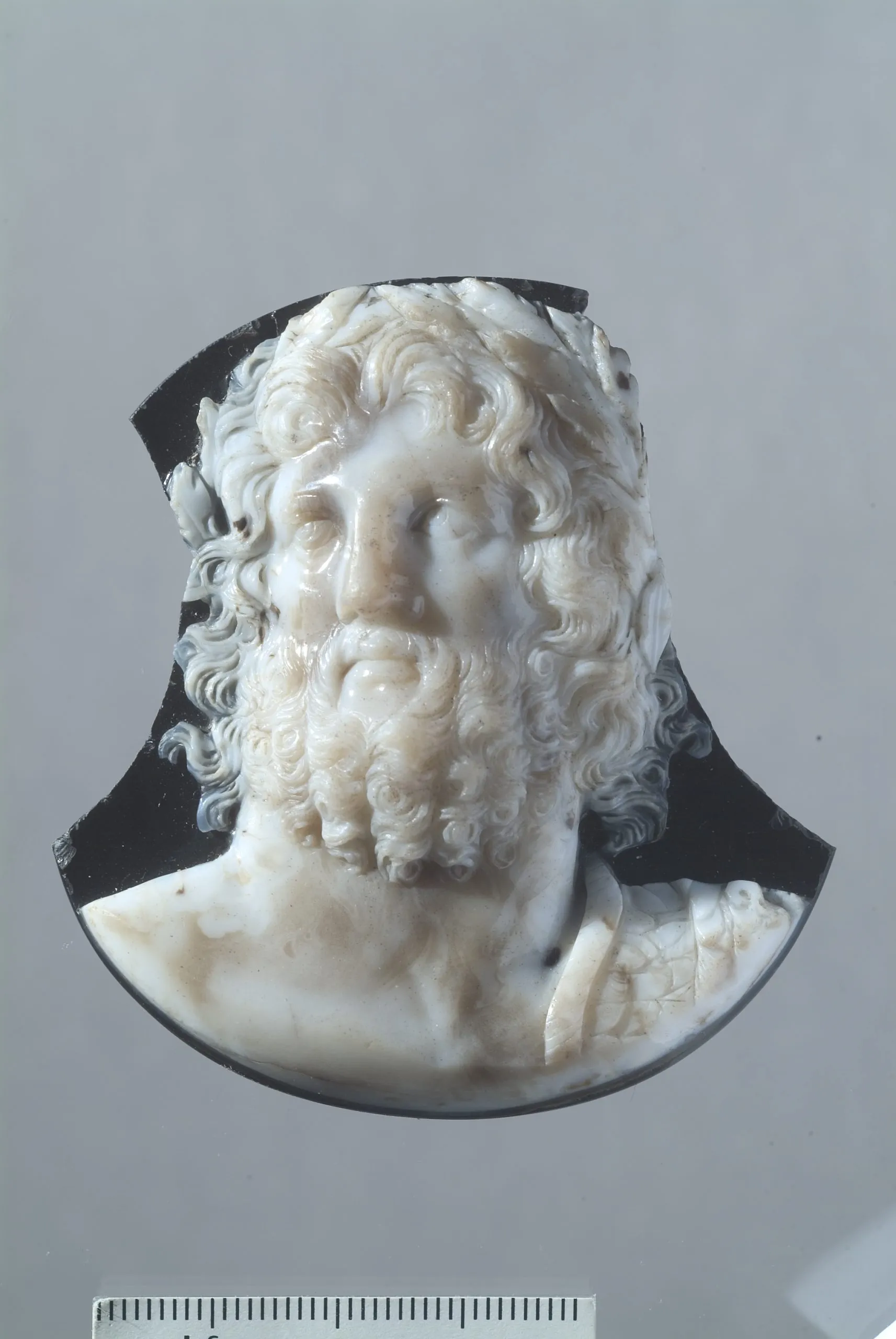
Cammeo con Giove Egioco
Prima metà del II sec. d.C. Da Efeso Collezione Girolamo Zulian, 1795
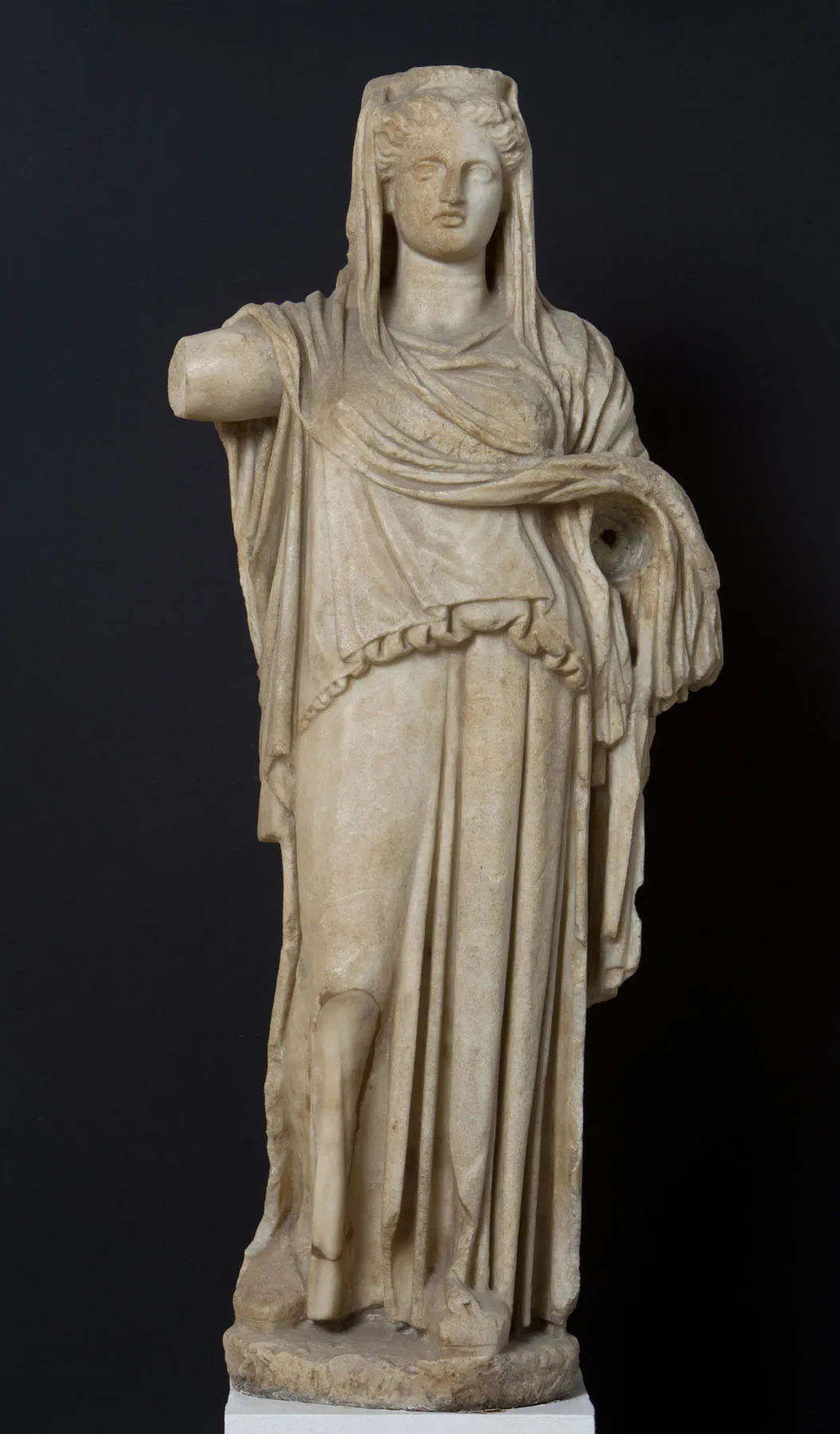
Demetra
Scuola attica, metà del IV sec. a.C. Collezione Giovanni Grimani, 1587
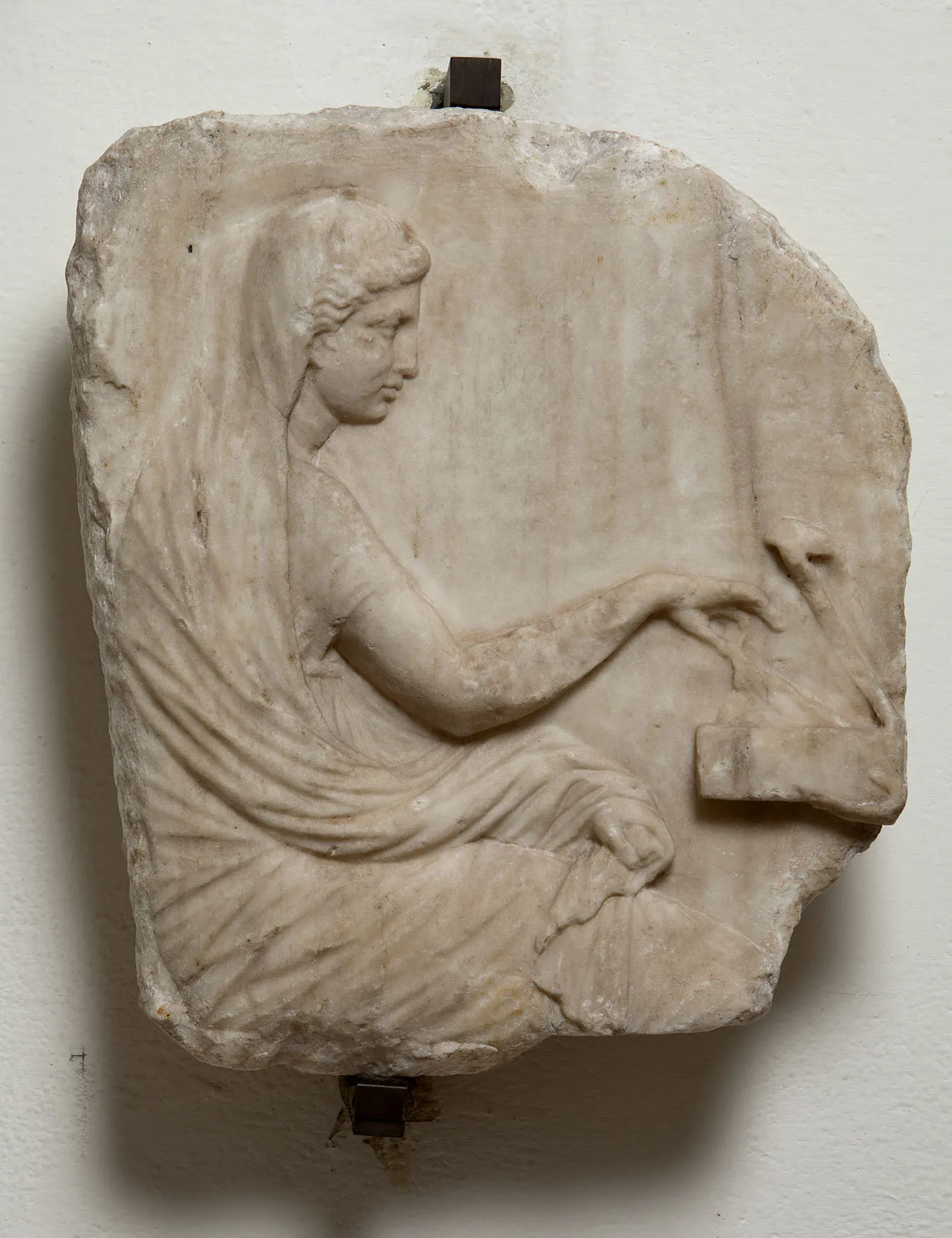
Frammento di stele funeraria
Con figura femminile che estrae un velo da un cofanetto. Scuola attica, fine del IV sec. a.C. Collezione Giovanni Davide Weber, 1847
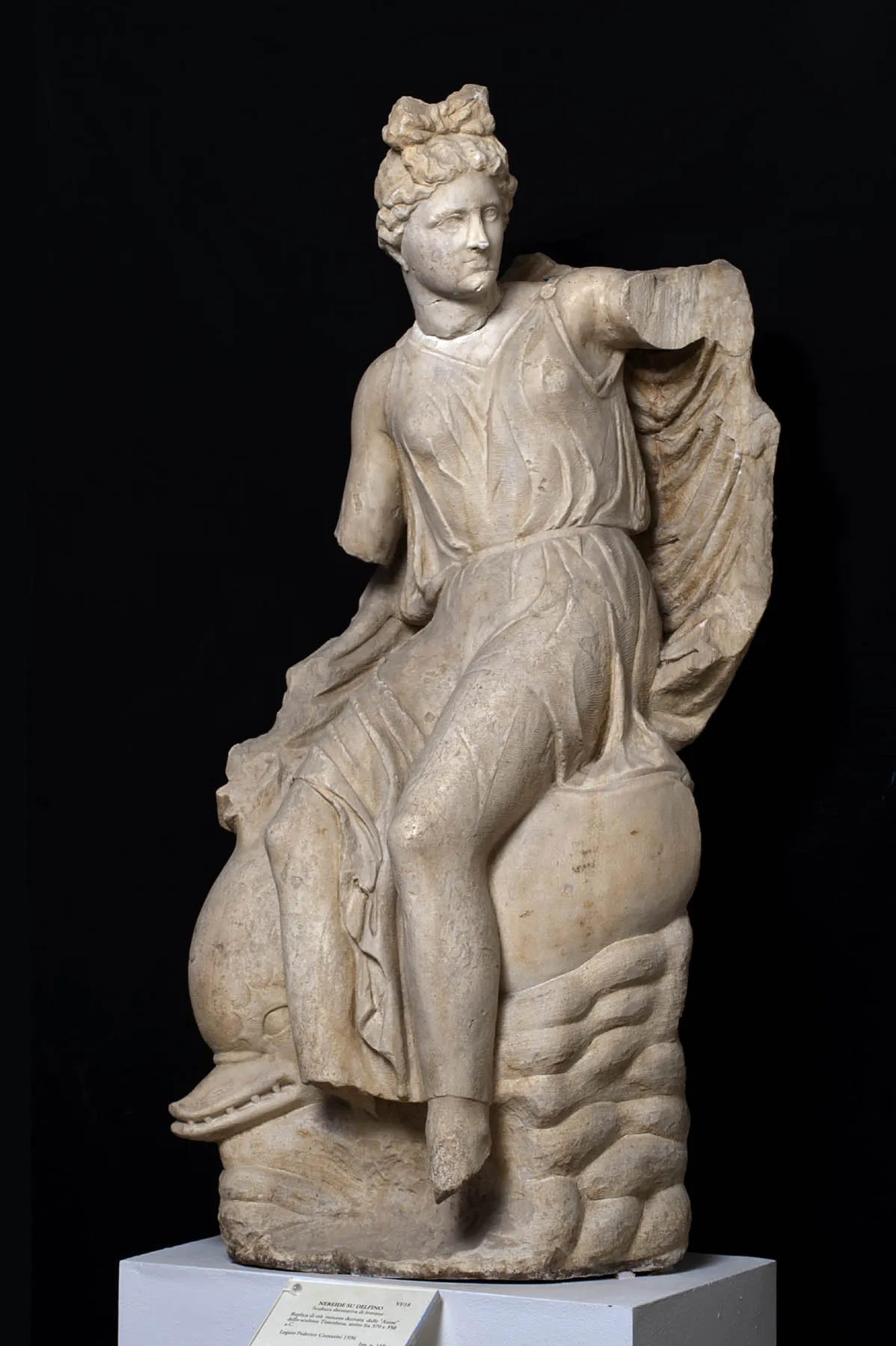
Nereide su delfino
Replica di epoca romana da modello greco del 390 a.C. Da Ierapetra (Creta) Collezione Federico Contarini, 1596
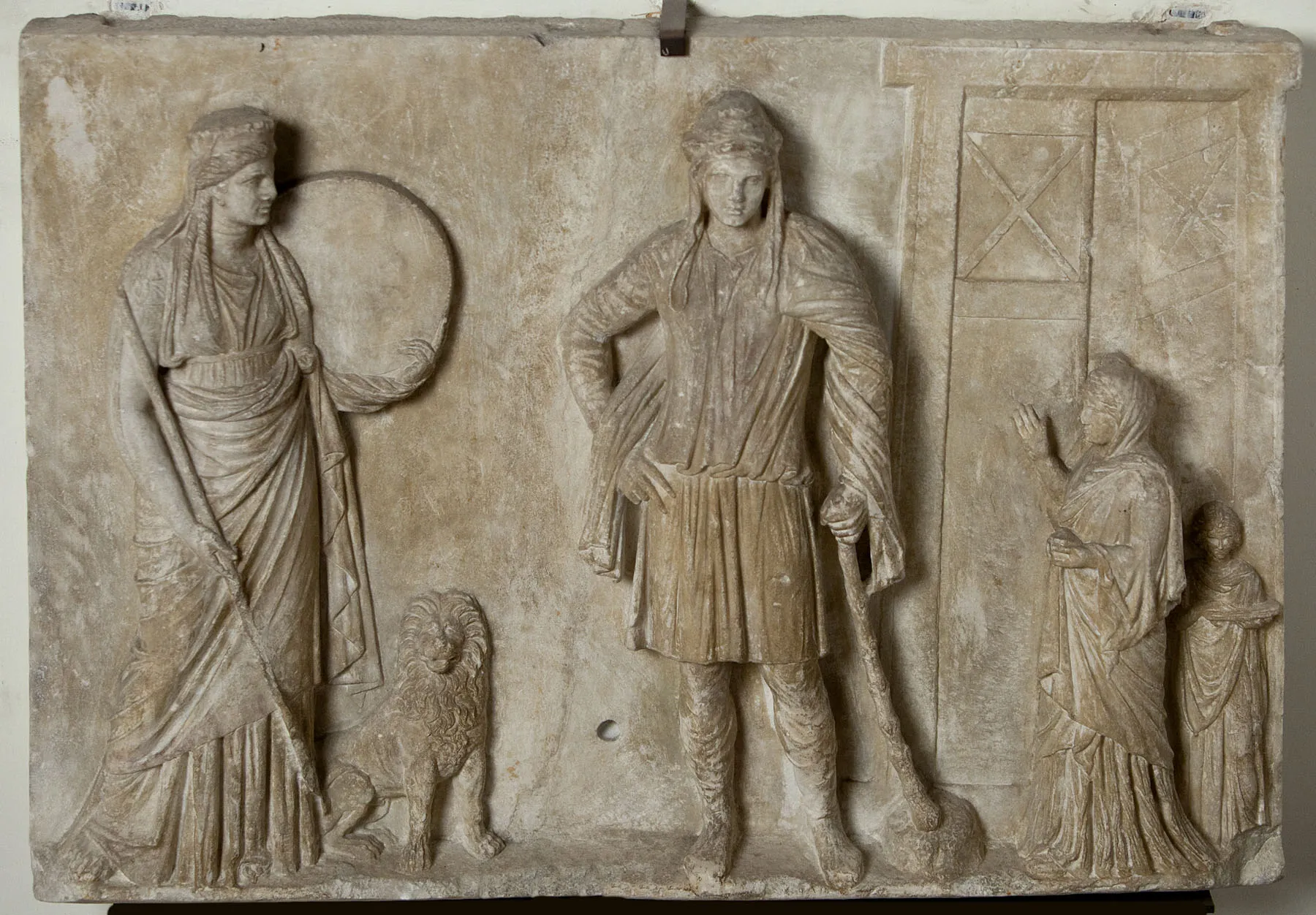
Rilievo votivo di Cibele e Attis
Officina dell’Asia Minore, II sec. a.C. Collezione Giovanni Grimani, 1587
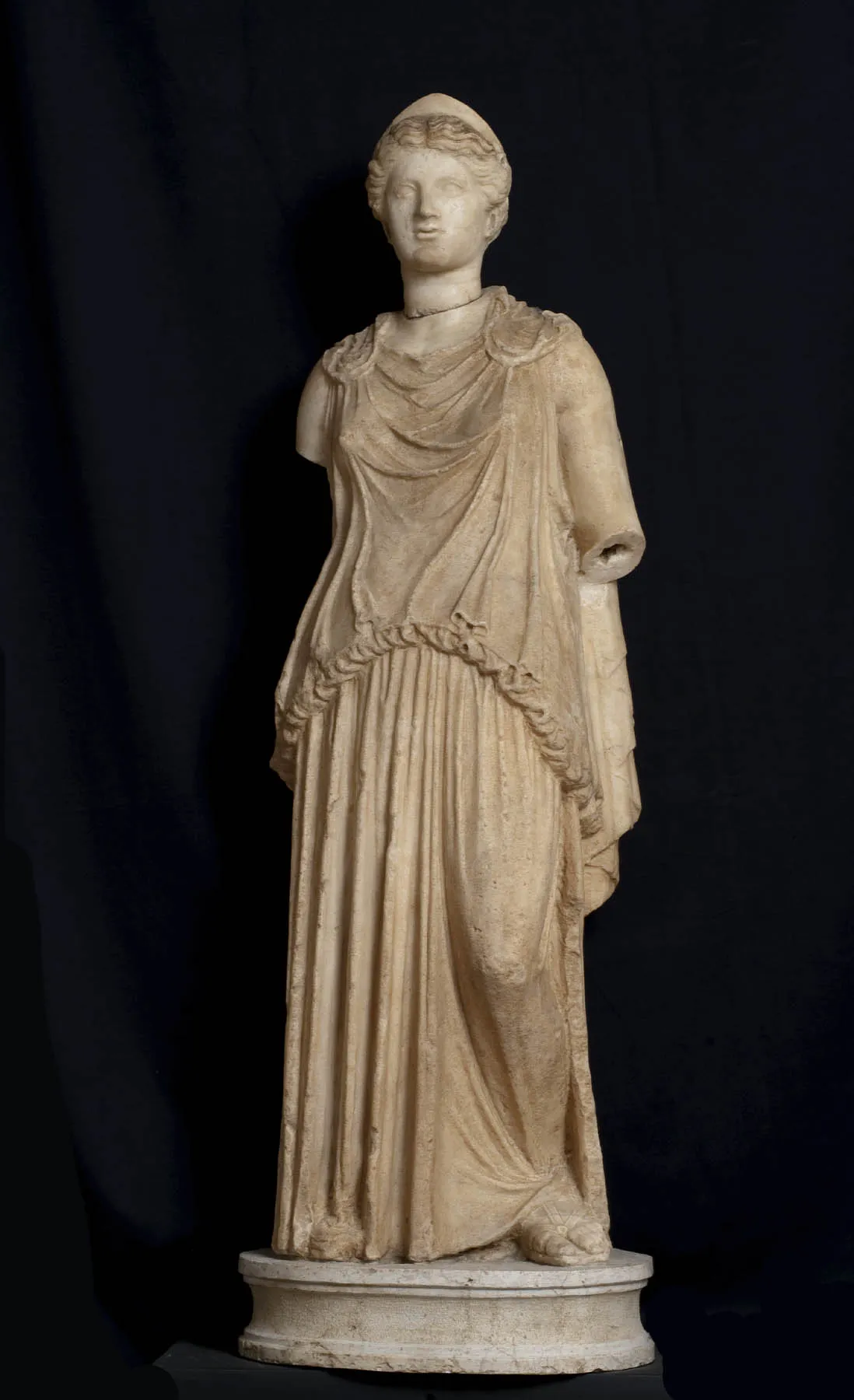
Statua Femminile
Scuola attica, fine V – inizi IV sec. a.C. Collezione Federico Contarini, 1596
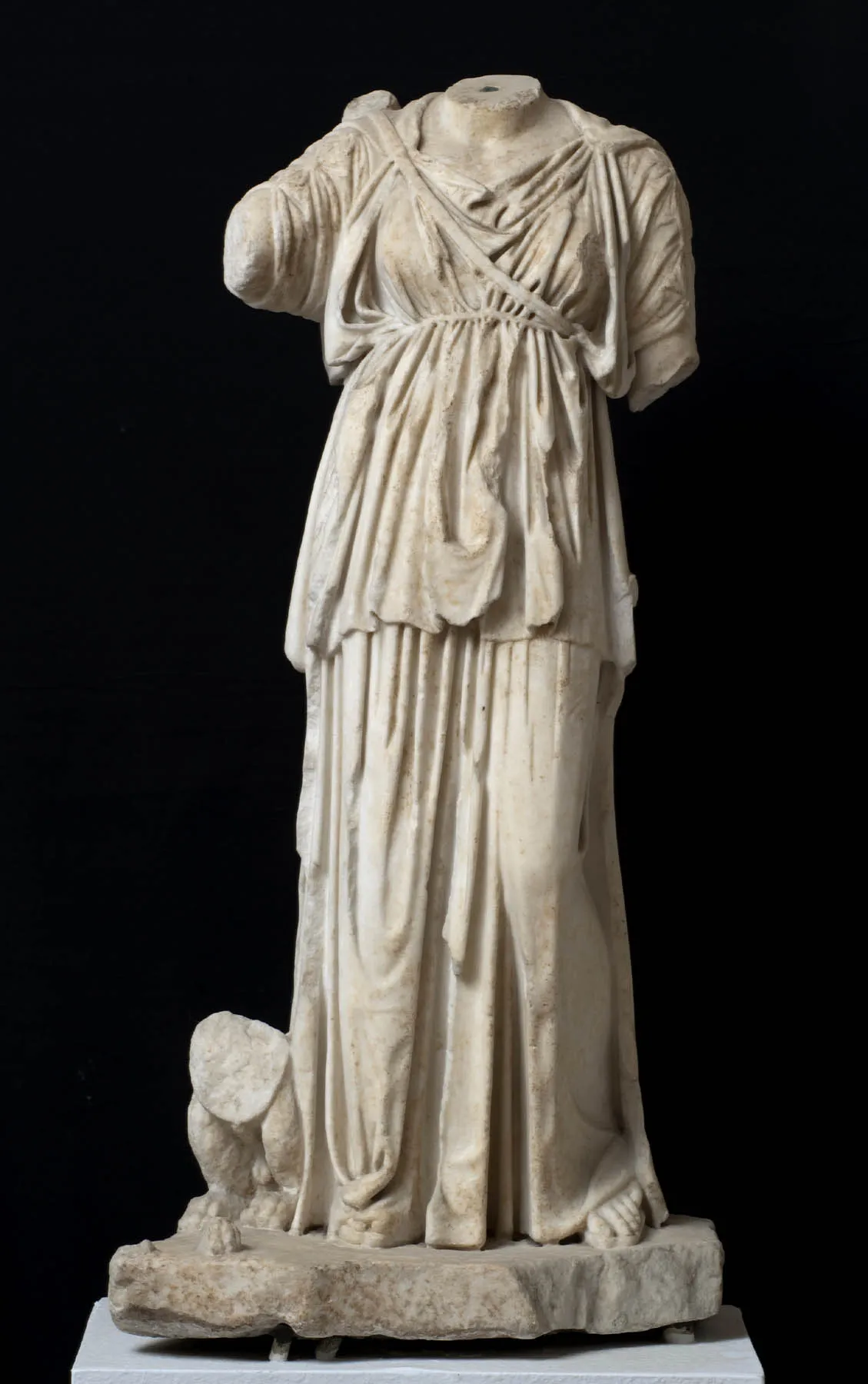
Statuetta acefala di Artemide
Scuola attica, seconda metà del IV sec. a.C. Già collezione Francesco Morosini, acquisto 1895. Deposito dei Civici Musei Veneziani, 1939.
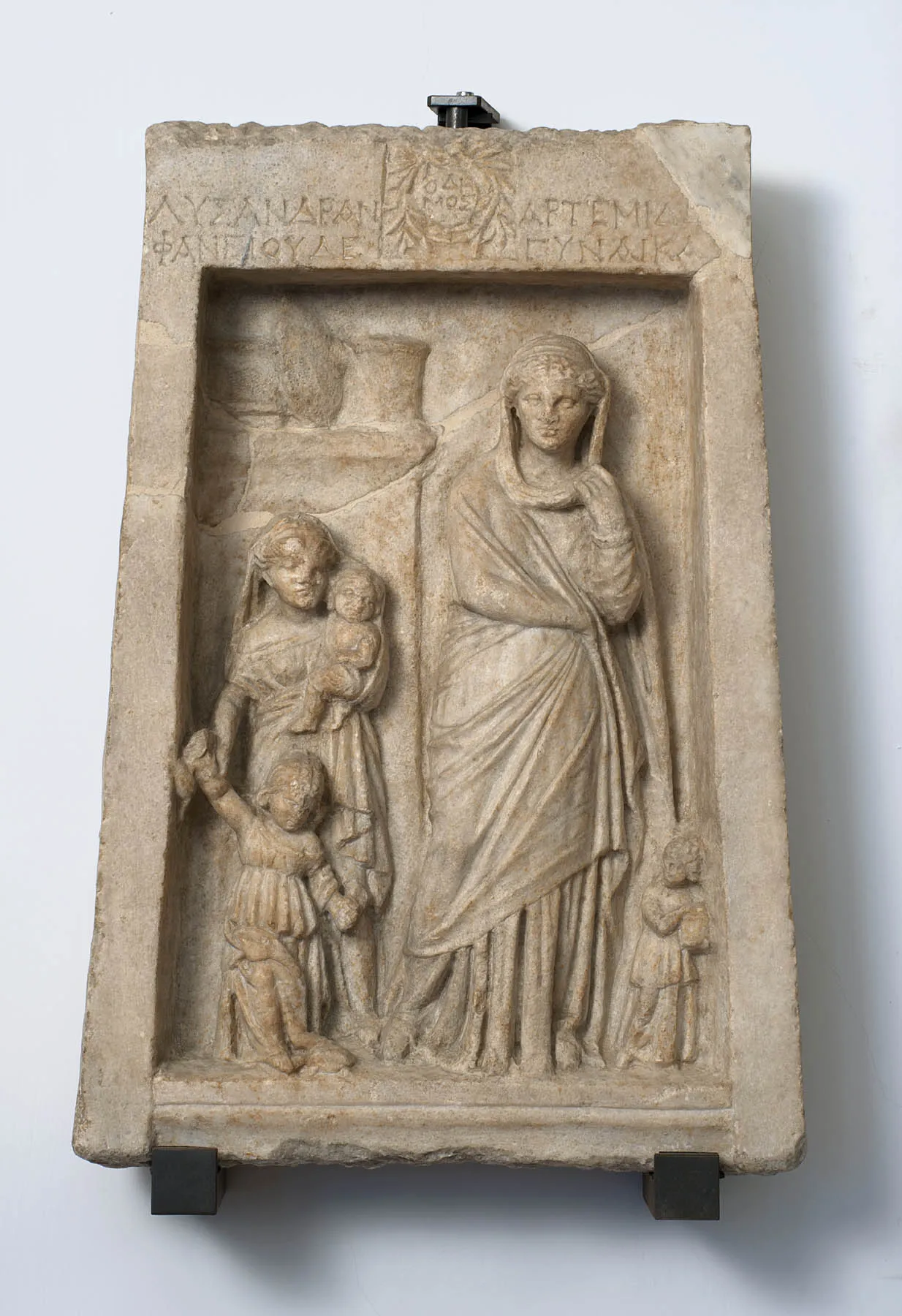
Stele funeraria di Lisandra
Seconda metà del II sec. a.C. Da Smirne (Turchia) Collezione Giovanni Grimani, 1587
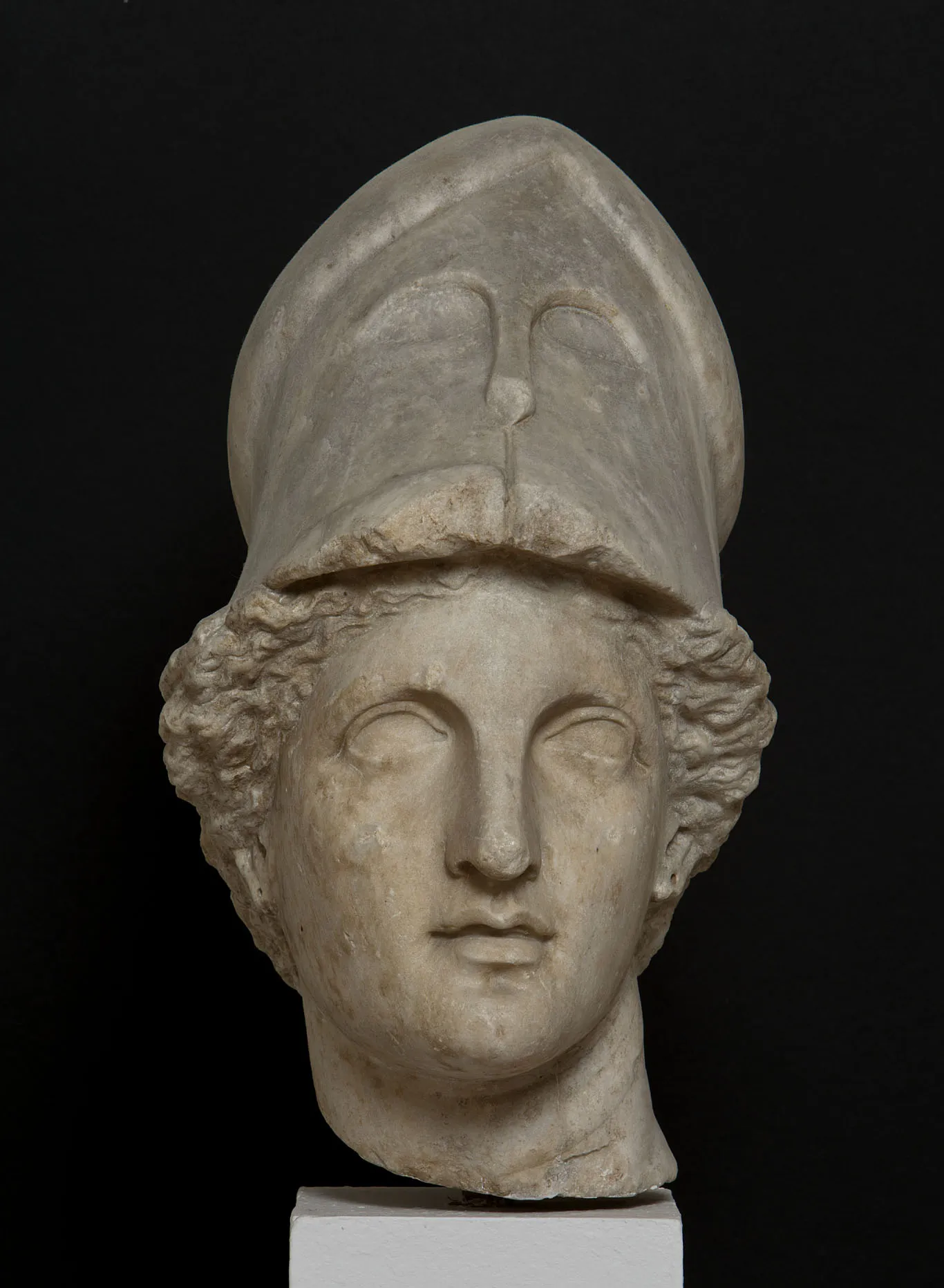
Testa di Atena
Forse parte di un gruppo statuario di un frontone. Scuola attica con influssi scopadei, 330 a.C. circa Collezione Giovanni Grimani, 1587
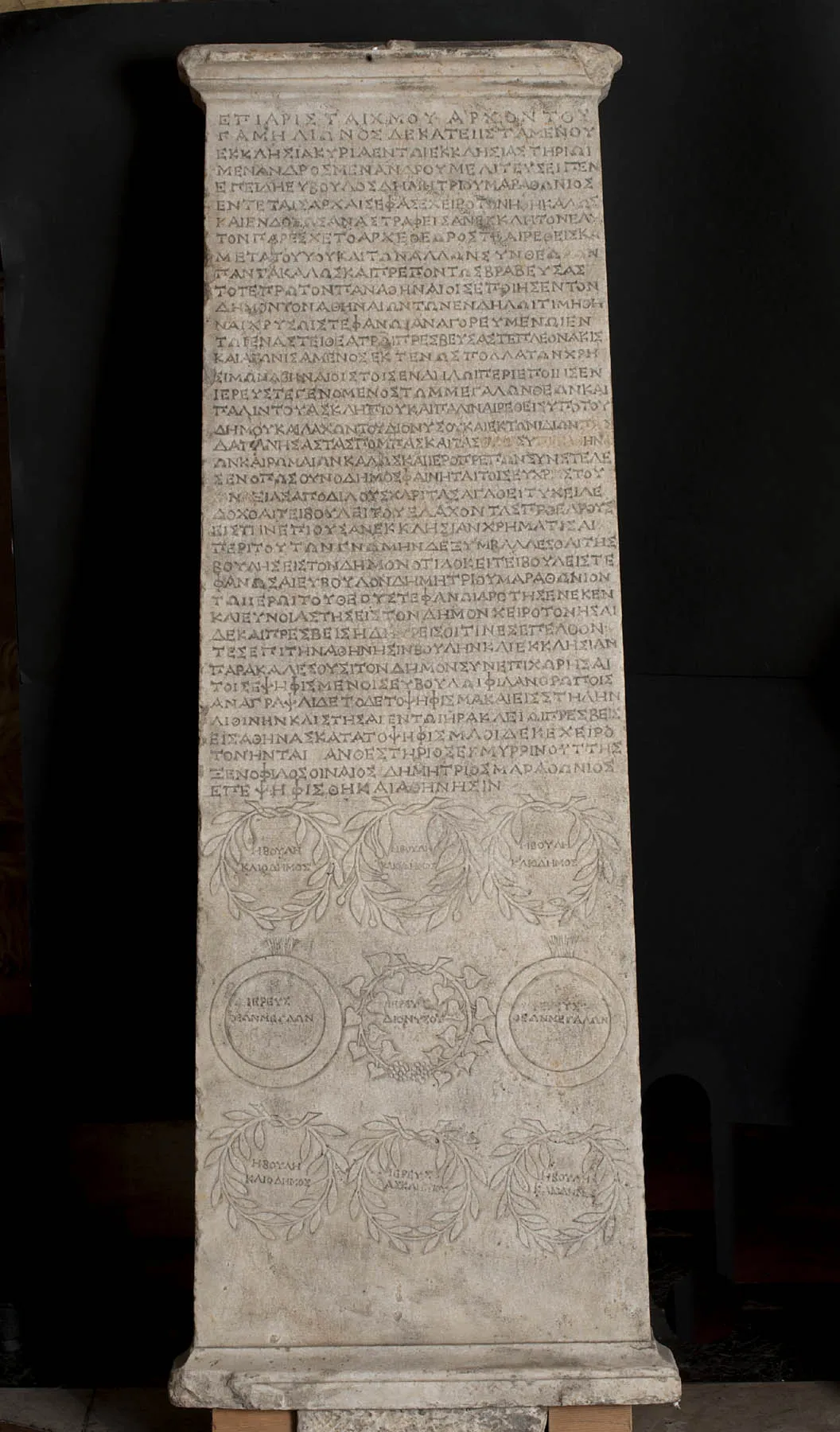
Decreto in onore di Euboulos
(CIG, II, 2270) II sec. a.C. Da Delo Collezione Giovanni Grimani, 1587