
Approfondimenti
The objects preserved at the National Archaeological Museum of Venice are more than artifacts: they bear witness to stories that span centuries, cultures, and Mediterranean trade routes. These stories are explored further through a series of feature articles.
Dominae and Fashion explores the world of women in antiquity through imperial portraiture, examining fashion and dress as represented in Roman sculpture.
Stories of Piazza San Marco explores the connection between the monuments of the square and the ancient materials incorporated into them, the result of centuries of trade and exchange across the Mediterranean.
Every Object, a Journey traces the historical and collecting circumstances through which these artefacts became part of the public heritage.

Vibia Sabina, Augusta and wife of Hadrian
At the end of Trajan’s reign, as he had no heir, the question of succession became urgent.

L’ambizione dinastica di Lucilla Augusta
Nel 176 d.C., Marco Aurelio assegnò il titolo di Imperator al figlio quindicenne Commodo.

Erennia Etruscilla, the surviving Augusta
During the third century, at the height of military anarchy, political upheavals were the order of the day.

Marcia Otacilia Severa, imperatrice in balia della crisi
Con la morte di Severo Alessandro e la fine della dinastia dei Severi, ebbe inizio il periodo di maggiore crisi dell’impero romano.

La diva Faustina Maggiore
Comunemente conosciuta come Faustina Maggiore, nacque nel 104 d.C. da Rupilia Faustina e dal facoltoso senatore Marco Annio Vero.

Fulvia Plautilla, fleeting wonder at the court of Severi
Plautilla thus became a political instrument, seeing her destiny inextricably linked to that of her father.

Antonia Minor behind the scene of power
Within the Julio-Claudian dynasty, women often had the opportunity to shine and show off their political skills.

Le augustae di Traiano
Marco Ulpio Traiano è considerato uno dei migliori imperatori romani, insignito dal Senato col titolo di optimus princeps.

The Flavian matrons
At the end of the civil war between 68 and 69 AD, the empire passed into the hands of Vespasian.
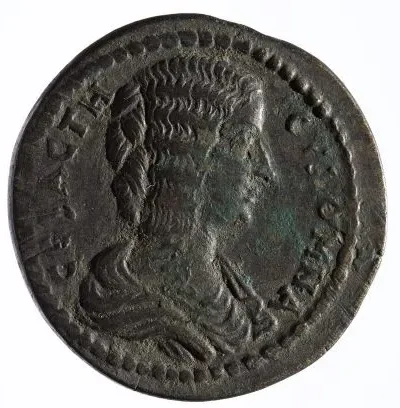
Giulia Domna, il lato femminile del potere dei Severi
Assimilata a diverse divinità, Giulia Domna vide affermato il proprio prestigio attraverso numerosi ritratti scultorei e monetali o iscrizioni dedicatele.

Agrippina the Elder, the perfect matron
Observing the Roman marble portraits in Room IX, one can note the presence of the one belonging to Agrippina Maggiore

Simbolo, vanto e specchio della Repubblica
I marmi colorati hanno grandemente viaggiato dal periodo classico fino a oggi, grandemente apprezzati per la loro bellezza e significato simbolico, nonché valore economico.

Revived marbles
The walls of Venetian palaces and the museum halls preserve many recognizable traces of the reuse of archaeological materials from the Hellenic Levant.

The routes of the marbles
The need to procure building materials was innate in the very birth of Venice.

Ceramiche erranti
Molti collezionisti veneziani del XVIII secolo potevano esibire nelle loro raccolte vasi antichi, venuti da lontano.

La zecca di Venezia: una prestigiosa storia più che millenaria
Venezia fu sede di una della fabbriche monetarie più importanti d’Europa, essa si trovava in piazza San Marco.

Divinità pagane nel cuore di Venezia
La celebre Libreria Sansoviniana offre la prima testimonianza dell’uso su larga scala delle immagini degli dei ed eroi greci in un monumento pubblico.
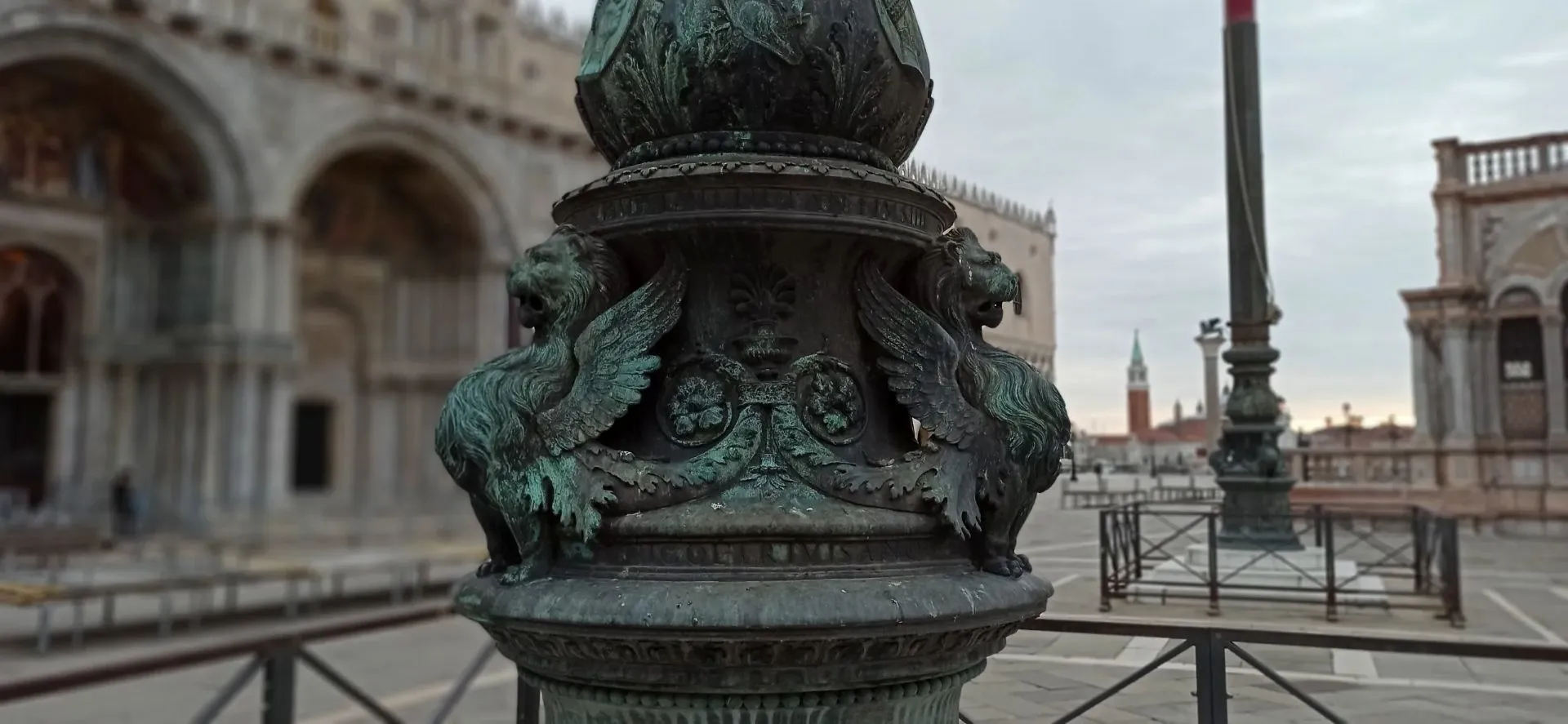
Un elefante per Venezia
Lo sapevate che un elefante, con tanto di zanne e proboscide, fa bella mostra di sé in piazza San Marco?

Di reimpieghi e antiche iscrizioni
Oggi Storie di Piazza San Marco vi parlerà di antiche iscrizioni e del loro reimpiego.

I due volti di Faustina Minore
Moglie dell’imperatore filosofo Marco Aurelio e madre di Commodo, Faustina Minore nacque nel 130 d.C. da Antonino Pio e Faustina Maggiore.