
Egypt and the Near East
Venice was oriented toward the East and the Holy Land, where its ships escorted pilgrims along the route to Jerusalem via Alexandria, Egypt.
Knowledge of those lands, shaped in part by the experiences of travelers who visited them, has left its mark even on the mosaics of the Basilica of San Marco.
The centuries-long relationship between the lagoon city and Egypt, rooted in Venetian commercial interests there, sparked an interest in pharaonic antiquities, which Venetian diplomats stationed in the East - in Constantinople, for example - began to collect.
This gave rise to a form of collecting that also included Egyptian material, which flourished thanks to prominent figures in the eighteenth century but remained a lively phenomenon in the following century as well, as the collection of Teodoro Correr still testifies today.
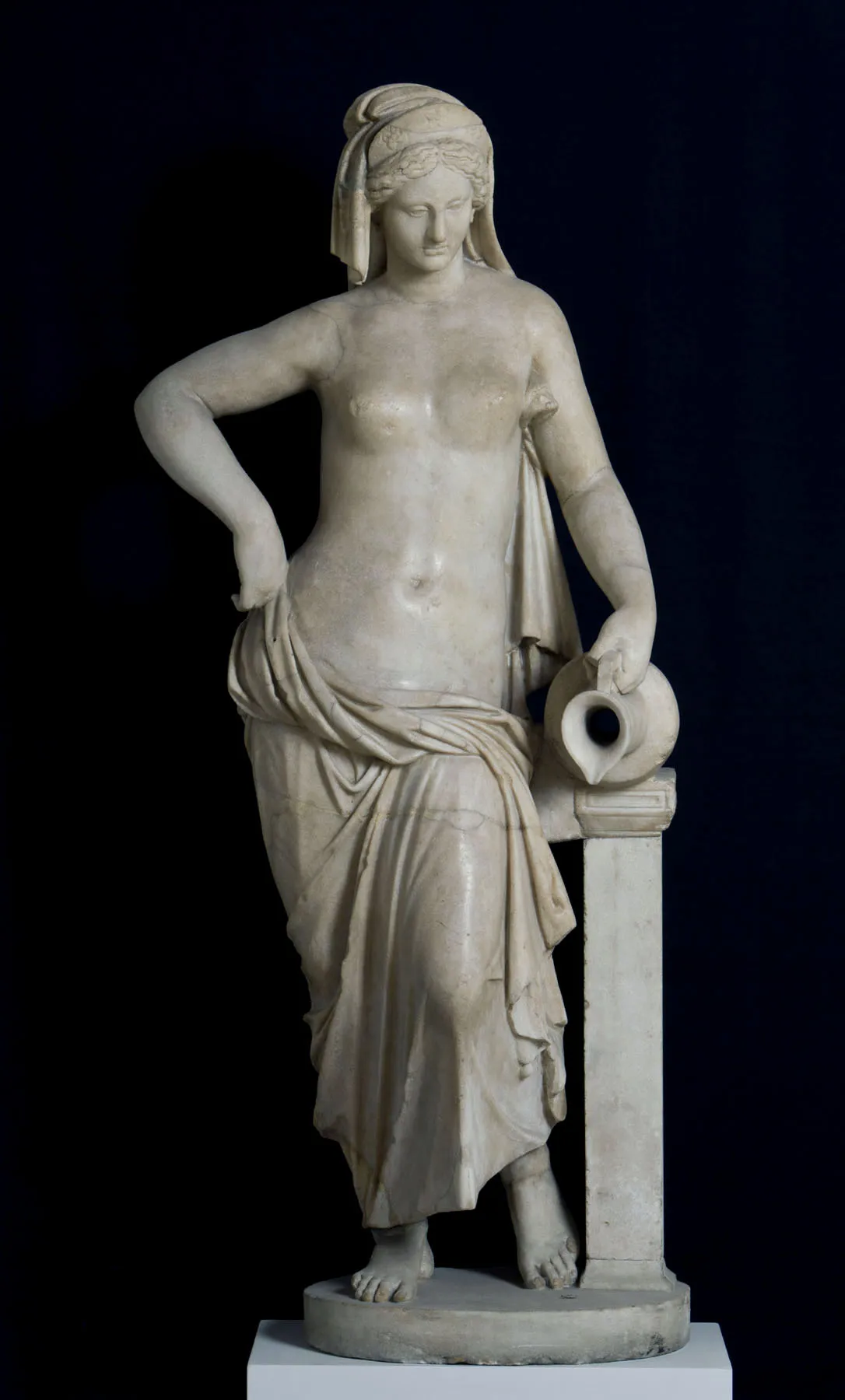
Afrodite Marina
Copia romana di un originale greco della prima metà del I sec. a.C. Da Alessandria d’Egitto Collezione Girolamo Zulian, 1795
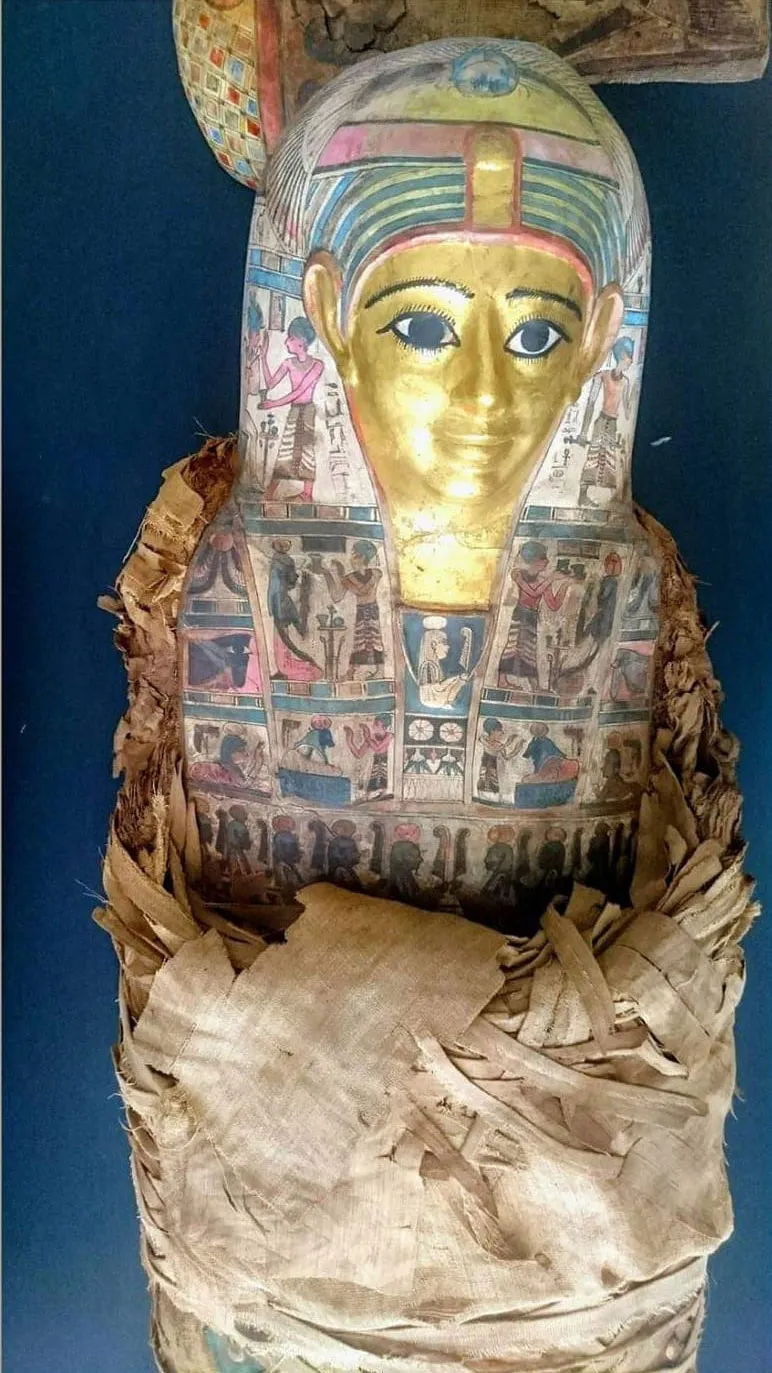
Mummia con maschera e copripiedi in cartonnage
I-II sec. d.C. Collezione Salvatore Arbib, 1899
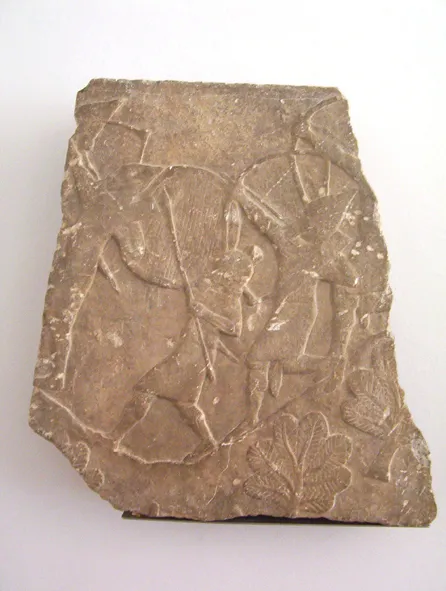
Rilievo con scena di guerra
Età di Assurbanipal (668-631 a.C.) Collezione Austen Henry Layard, 1891
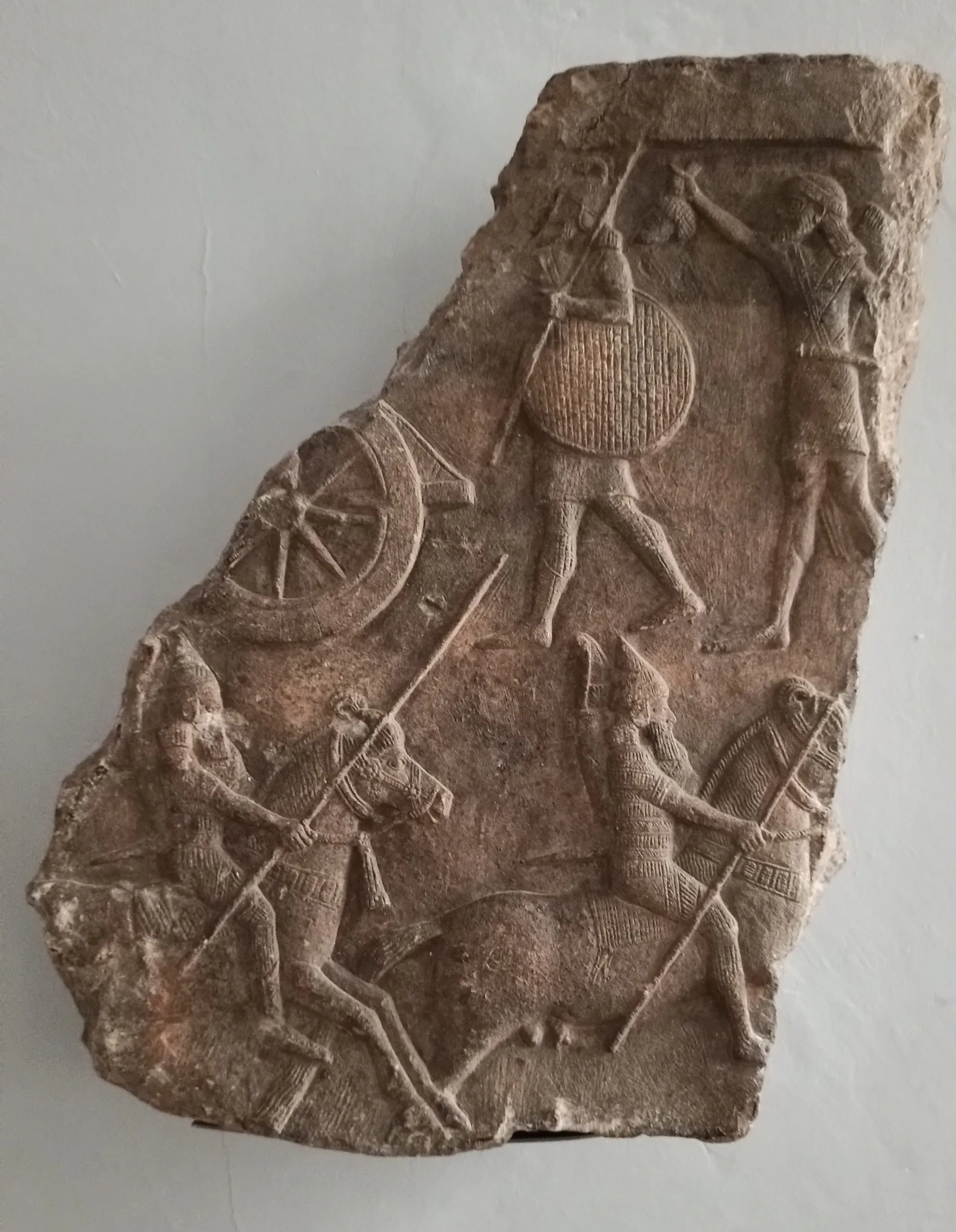
Rilievo con scene di guerra
Età di Assurbanipal (668-631 a.C.) Collezione Austen Henry Layard, 1891
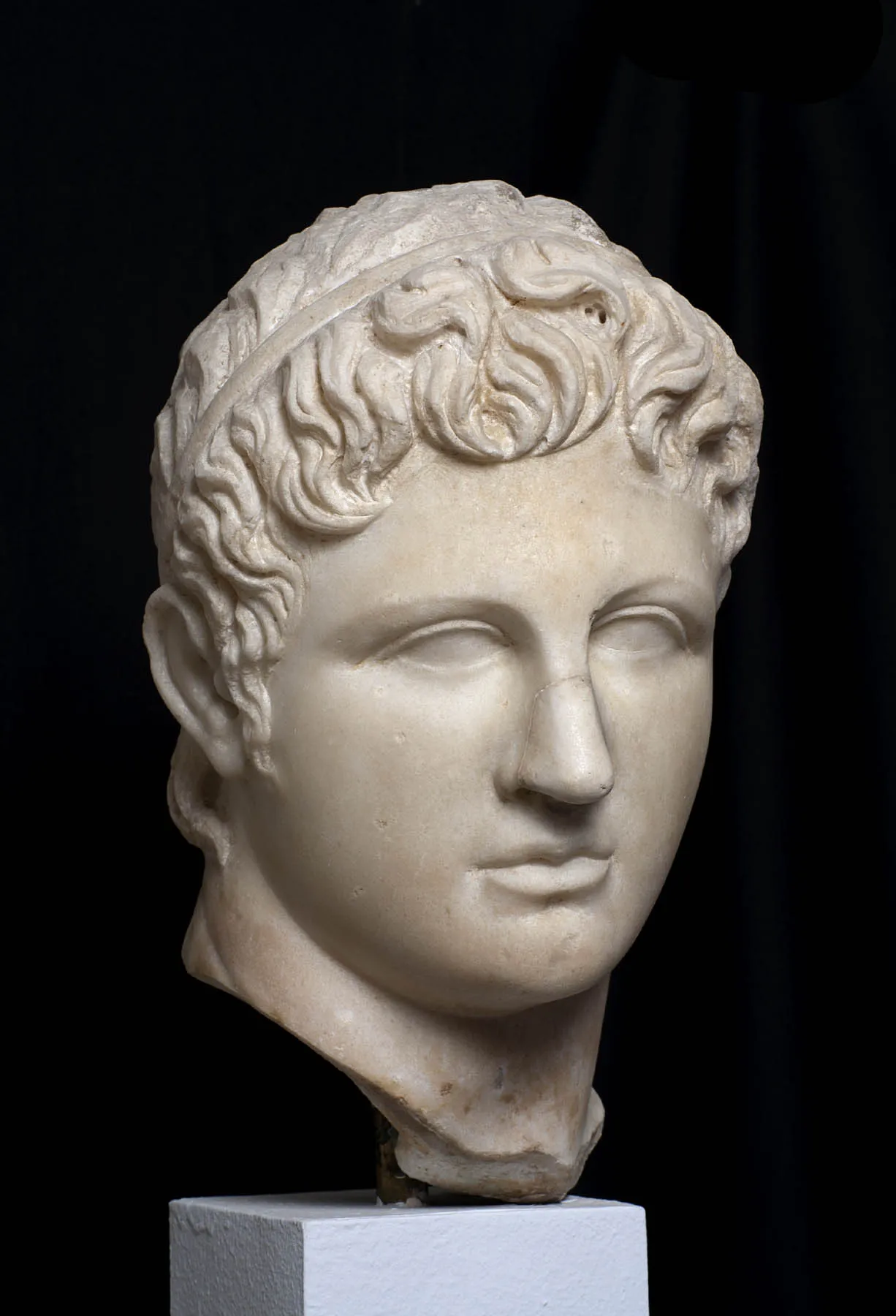
Ritratto di Tolomeo III Evergete
Sovrano d’Egitto dal 246 al 221 A.C. Opera di officina probabilmente cipriota, seconda metà del III sec. a.C. Collezione Giovanni Grimani, 1587
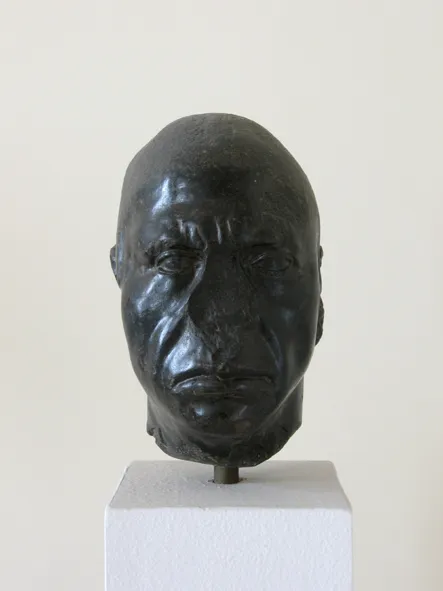
Ritratto maschile
Opera alessandrina della seconda metà del I sec .a.C. Collezione Girolamo Ascanio Molin, 1813
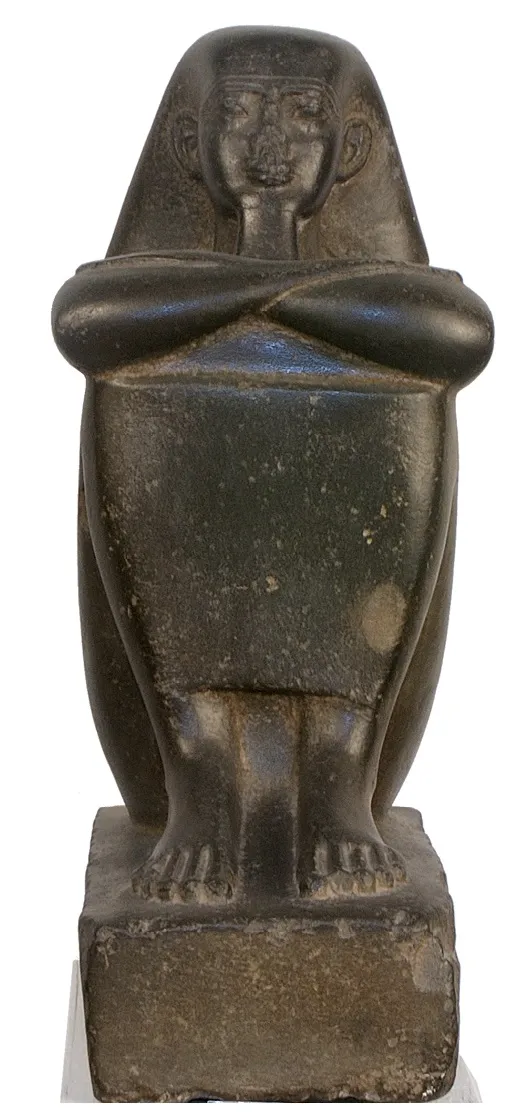
Statua cubo di dignitario
Età saitica, XXV – XXVI dinastia (VIII-VII secolo a.C) Collezione Girolamo Zulian, 1795
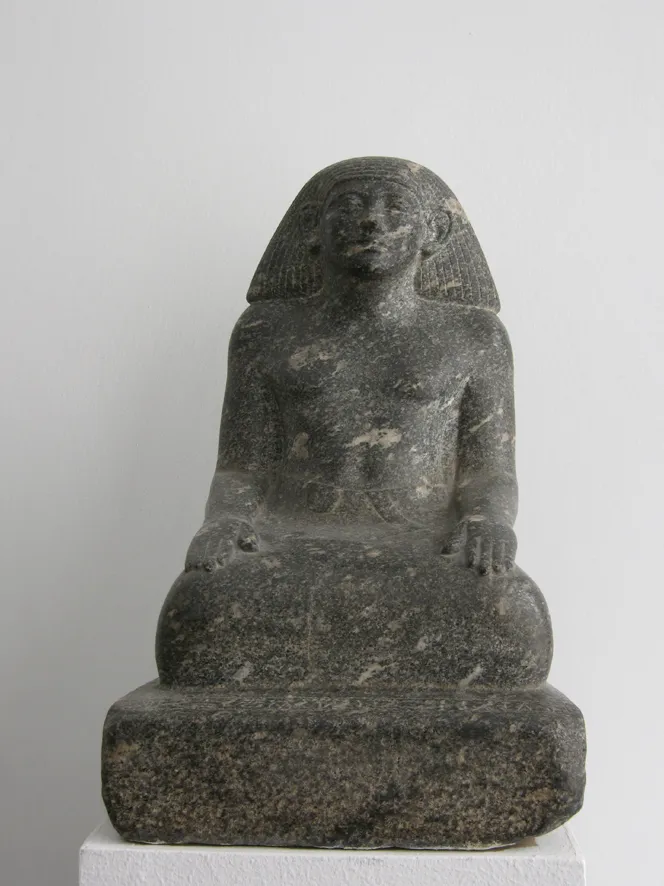
Statua di uomo accovacciato
Medio Regno, XII-XIII dinastia (1938-1640 a.C. ca) Deposito Civici Musei Veneziani, 1939